Wipers that skip, chatter or leave streaks don’t always need replacing. Often the glass is the problem.
- Film and water spots on the glass are a common cause of chatter.
- Clean the blades and the glass before buying new blades.
- Hard, cracked rubber does need replacing.
- A clean windshield makes new blades last longer.
How film makes wipers skip
A wiper blade needs a smooth, even surface to glide across. Mineral film and wax residue make some areas grippy and others slick, so the rubber edge catches, lets go and catches again. That stutter is the chatter you hear and the streaks you see.
The same film also holds water in a thin sheet instead of letting the blade clear it, which is why vision can still look blurry right after a wipe.
Common causes
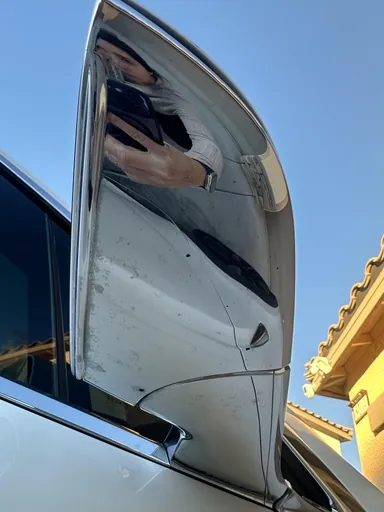
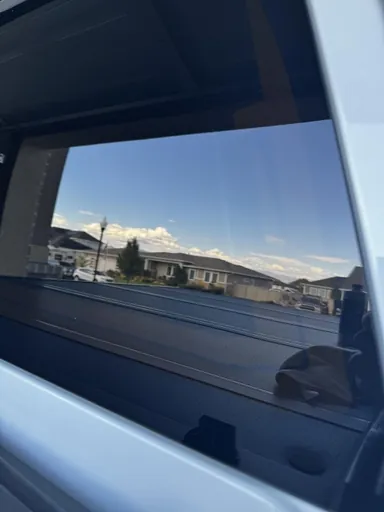
- Mineral film and water spots make the glass surface uneven, so the blade grabs and skips.
- Wax or residue from a car wash or a product that got on the glass.
- Dirty blades dragging grit across the windshield.
- Worn or hardened rubber. Blades do wear out, especially in strong sun.
Fix it in this order
What you’ll need
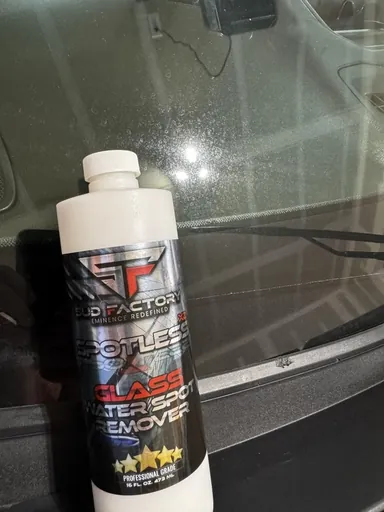
- Spotless X2
- Microfiber applicator pad
- Microfiber towels
- Damp cloth for blades
- Nitrile gloves
- Eye protection
- Clean the blades. Wipe the rubber edge with a damp microfiber until it comes away clean.
- Strip the glass. Take hard water spots and film off with Spotless X2 (steps below).
- Test. Run the washers. If the chatter is gone, you’re done.
- Still chattering? Then it’s probably time for new blades.
Spotless X2 is a strong acid cleaner: its Safety Data Sheet lists it as causing severe skin burns and eye damage. Wear gloves and eye protection, keep it off your skin, and read the label before you start. Every sheet is on our SDS page.
- Work on cool, dry glass in the shade. Start clean so you can see every spot.
- Use a quarter-sized dab of Spotless X2 on a microfiber applicator pad. A little covers a big area.
- Cross-hatch it over the spots, up and down then side to side. Heavy buildup may need a second pass.
- Wipe with a damp towel, then buff dry with a clean microfiber.
Clean the windshield before you install new blades. A fresh blade on a dirty windshield wears out faster.
Windshield without streaks · Hard water spots on car windows
When it really is the blades
Sun and heat age rubber. If the edge looks rounded, cracked or chipped, or the blade leaves the same streak in the same spot on freshly cleaned glass, replacement is the fix. Check the blade arm too: a bent arm can hold the blade at the wrong angle and cause chatter even with new rubber.
Common mistakes to avoid
Buying blades first. Clean the glass first; it might fix it.
Running wipers on dry glass. It wears the rubber and can scratch.
Wiping blades with a dry paper towel. Use a damp microfiber.
Putting new blades on dirty glass. They’ll wear out faster.
A simple care schedule
| When | What to do |
|---|---|
| Every wash | Wipe the blades with a damp microfiber. |
| Every few months | Remove mineral film with Spotless X2. |
| As needed | Replace blades that crack or harden. |
Frequently asked questions
Do chattering wipers always need replacing?
Not always. Film and water spots on the glass are a common cause. Clean the glass and the blades first, then test.
How do I clean wiper blades?
Wipe the rubber edge with a damp microfiber until it comes away clean.
When should I replace the blades?
If they still chatter or streak on clean glass, or the rubber is cracked or hard, it’s time.
Will protecting the glass help my wipers?
A protected windshield sheds water more easily, which helps visibility in rain.
Can wax on the windshield cause chatter?
Yes. Wax or car wash residue can make blades grab and skip.