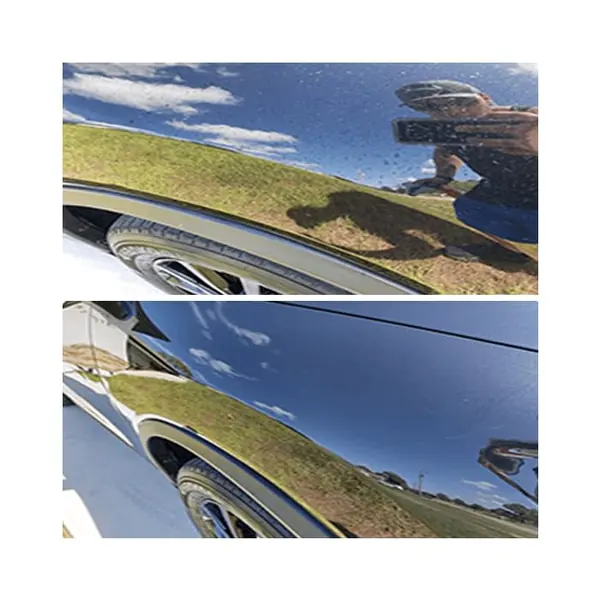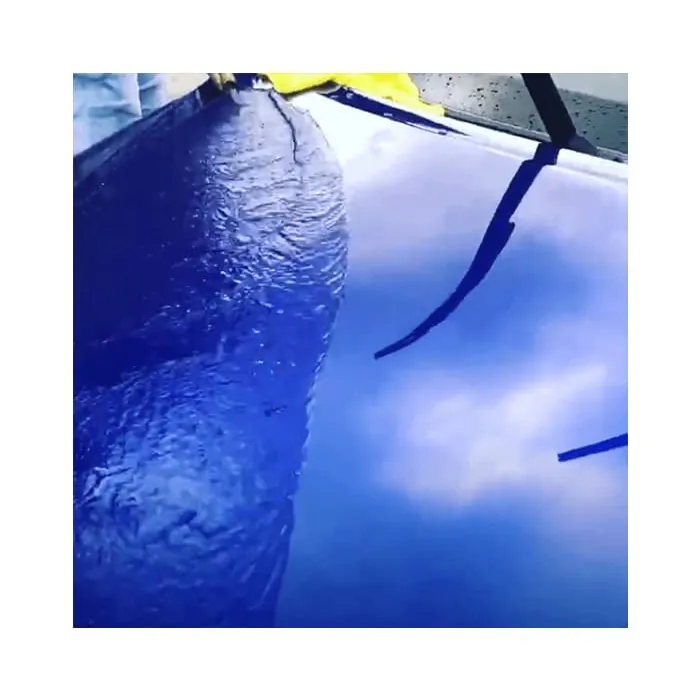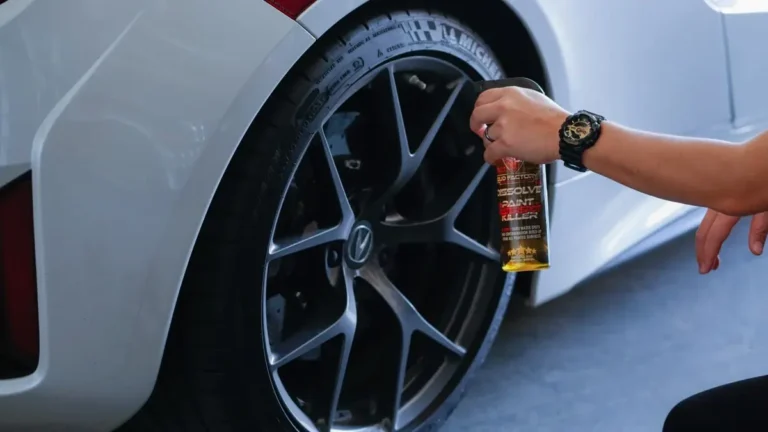
Clay bars and water spot removers both make paint feel and look cleaner, but they do different jobs.
- A clay bar removes bonded contamination that makes paint feel rough.
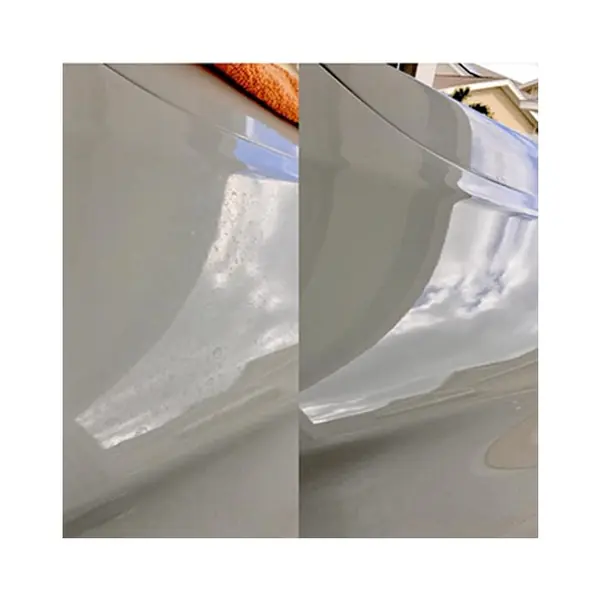
- A remover like Dissolve X2 targets mineral spots and stains.
- You don’t need clay to remove water spots.
- Clay is part of the prep before a ceramic coating.
Two different kinds of contamination
Think of paint problems in two groups. Things you can feel: gritty particles bonded to the clear coat that make the paint feel rough after washing. Things you can see: white rings, stains and dull patches from minerals and organic contaminants.
A clay bar is designed for the first group. A water spot remover is designed for the second.
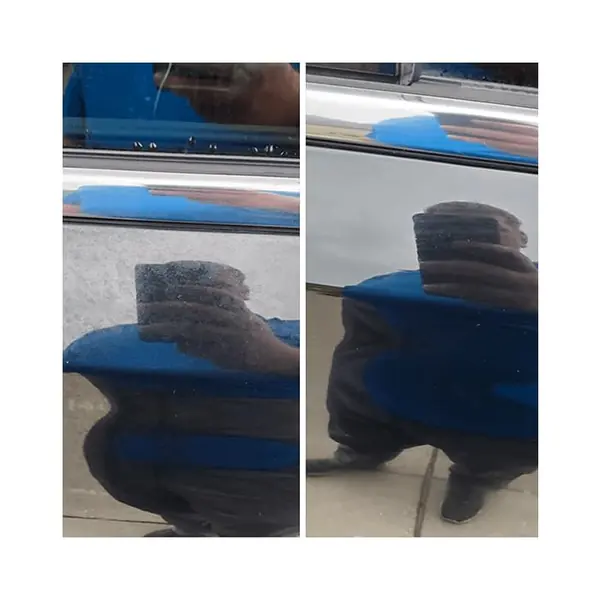
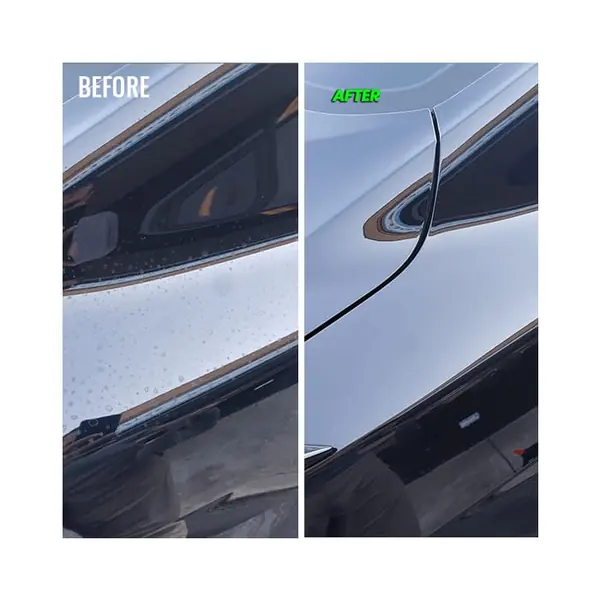
What a clay bar does
A clay bar glides over lubricated paint and pulls out bonded contamination that makes paint feel rough. It’s a common step before polishing or applying a coating.
What a water spot remover does
A remover like Dissolve X2 goes after mineral spots and stains, breaks them loose, and wipes away. No clay, no machine.
Which one?
- White rings, dull spots, red dirt, sap, bugs: start with Dissolve X2.
- Paint feels rough after a wash: a clay bar can help.
- Getting ready for a ceramic coating: the prep for HybridCoat strongly recommends a clay bar and polish.
Dissolve X2 is a strong acid cleaner: its Safety Data Sheet lists it as causing severe skin burns and eye damage. Wear gloves and eye protection, keep it off your skin, and read the label before you start. Every sheet is on our SDS page.
What you’ll need
- Dissolve X2
- Microfiber applicator or towel
- Clean, damp microfiber towels
- Car wash soap and mitt
- Nitrile gloves
- Eye protection
- Clay bar and lubricant (if needed)
- Wash and dry the area and work on a cool panel in the shade.
- Apply a small amount of Dissolve X2 to a microfiber applicator or towel.
- Work it over the stain. Older, heavier spots may need a second pass.
- Wipe clean with a clean, damp microfiber towel and check it in good light.
The baggie test
After washing, put your hand inside a thin plastic sandwich bag and lightly glide it over the paint. The bag exaggerates texture. If the paint feels gritty, clay can help. If it feels smooth but looks spotted, reach for Dissolve X2 instead.
Common mistakes to avoid
Claying to remove water spots. Clay isn’t made for mineral rings.
Claying without lubricant. It can mar the paint.
Dropping the clay and reusing it. Throw it away; it’s full of grit.
Claying too often. Only clay when the paint feels rough.
A simple care schedule
| When | What to do |
|---|---|
| Every wash | Check spots by eye, texture by feel. |
| As needed | Dissolve X2 for spots. |
| Before a coating | Clay and polish as prep. |
Frequently asked questions
Does a clay bar remove water spots?
A clay bar targets bonded contamination that makes paint feel rough. Mineral spots and stains are the job of a remover like Dissolve X2.
Do I need to clay before Dissolve X2?
No. Dissolve X2 works by hand with a microfiber, no clay or machine.
When should I clay?
When paint feels rough after washing, or as prep before a ceramic coating like HybridCoat.
Do I need to clay before applying SFX1?
No. Clean, spot-free paint is enough for SFX1.
Do I need to clay before HybridCoat?
HybridCoat’s instructions strongly recommend a clay bar and polish first.