
Spotless X2 vs Bio-Clean vs CarPro Spotless: Which Glass Water Spot Remover Should You Buy?
Bio-Clean’s maker describes an abrasive-based remover, CarPro describes an acid formula, and Spotless X2 is a polishing glass remover with diamond micro-particles. Choose for the glass, coating and job you actually have, not just the product name.
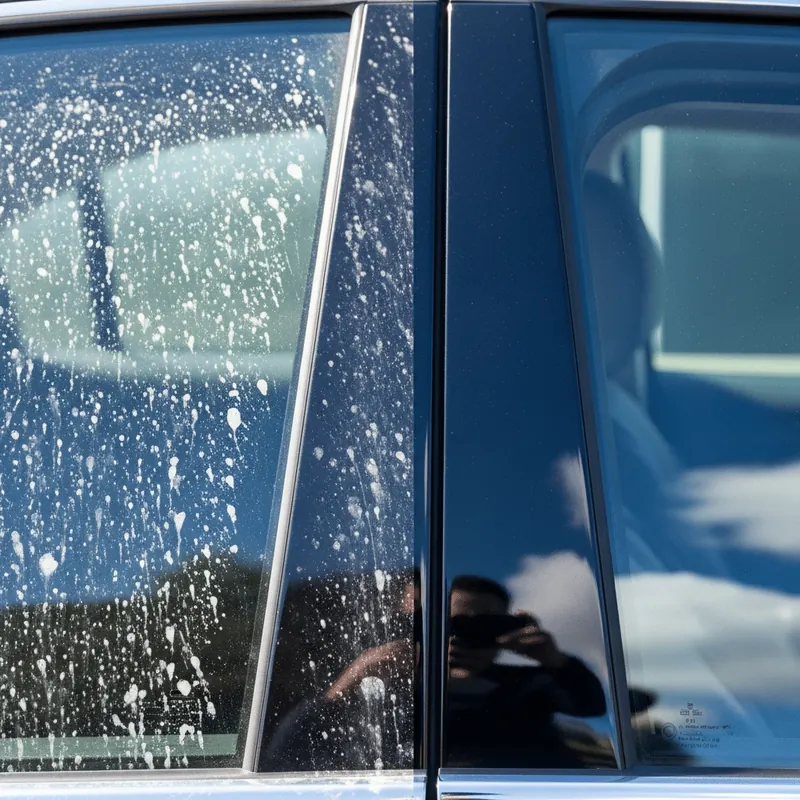
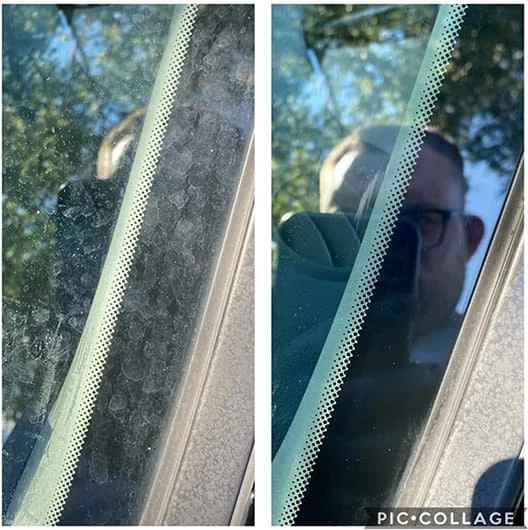
This is a comparison of maker directions, checked November 5, 2026 (HST), not a same-pane three-product performance test. We have not documented that test here and will not imply these photos show one.

The short answer
- Spotless X2: the Sud Factory by-hand choice for hard water stains and etching on glass. No buffer needed; not for paint or natural stone.
- Bio-Clean: for the household surfaces its maker lists that are unharmed by mild abrasives. Follow the prep, rubbing and rinse directions.
- CarPro Spotless 2.0: an acid-formula workflow that includes CQUARTZ and glass, with separate glass application directions and coating warnings.
Side by side
| Product / source | How it works and surfaces | Method / warning | Price read Nov 5, 2026 HST |
|---|---|---|---|
| Spotless X2 | Polishing remover with diamond micro-particles; glass and supported hard surfaces. | Pad by hand; slightly damp preferred; no dwell or buffer. Not paint/natural stone; removes factory easy-clean coating. | $39.99 / 16 oz |
| Bio-Clean | Maker: “abrasive based”; glass, shower doors, chrome, tile, fiberglass, porcelain and other listed household surfaces. | Damp-clean first, apply with dry cloth/sponge/brush or oscillating buffer, rub circularly, rinse. Only surfaces unharmed by mild abrasives. | $29.99 / 40 oz |
| CarPro Spotless 2.0 | Balanced acids; maker states mineral removal and CQUARTZ use. | On glass apply to towel, not direct spray. May affect window coatings and traditional sealants/waxes. | No price on global maker page |
How each one works
Bio-Clean: abrasive-based remover
Bio-Clean’s product page calls the formula “abrasive based” and says to use it only on surfaces “unharmed by mild abrasives.” It lists shower doors, windshields, glass, chrome, porcelain, tile, fiberglass, stainless and other household applications. That list does not mean every coating or decorative finish is covered.
Its directions say to clean with a damp towel first to avoid scratching and permanent damage, then apply with a dry cloth, sponge, soft-bristled brush or oscillating buffer. It calls for firm circular rubbing, rinsing until residue-free and drying. The page warns of eye and skin irritation. We do not turn “abrasive based” into a claim that it necessarily scratches every pane.
CarPro Spotless 2.0: acid formula
CarPro’s page describes an upgraded formula with stronger acids, a balanced acid blend and use on CQUARTZ coatings. On glass, the instructions say to apply to a towel and spread on the surface, allowing 30 seconds to 1 minute, with hand or machine polishing for stubborn spots and thorough rinsing afterward.
Read the warning too: do not use in sun or on hot surfaces, do not spray directly on glass, use with caution and neutralize. CarPro says it may affect windscreen/window coatings and traditional sealants and waxes. Do not treat the paintwork directions as unrestricted glass directions.
Spotless X2: polishing by hand
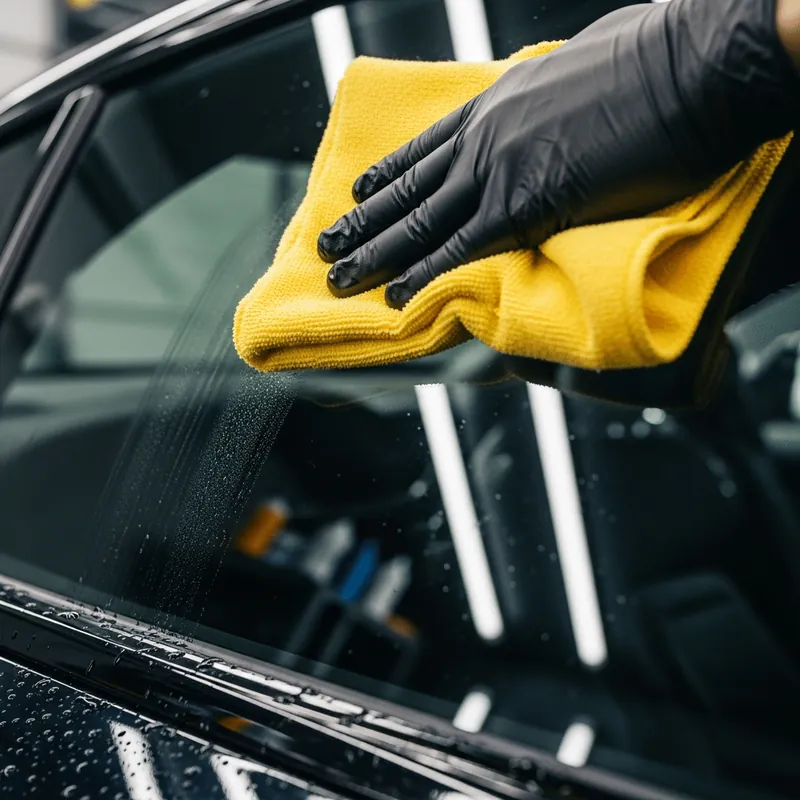
Spotless X2 removes hard water stains and can take etching out on glass. It uses diamond micro-particles and a polishing action; it is not a non-abrasive glass spray. Apply by hand with a microfiber pad on slightly damp glass, work a small section without dwell, wipe damp, rinse and dry.
Harder stains can take 2–3 passes. No buffer is needed. If you use a polisher, the approved tip is medium speed with a white pad, but hand application is enough for the method described here. Keep Spotless X2 off paint and natural stone.
Deposit or etching? Check before you buy
Start by cleaning off loose dirt and, on a shower door, soap residue. A slick or waxy film points toward soap scum: soap and body oils can sit on top of the mineral marks. Chalky white spots, rings and drip lines point toward mineral deposits left as water dries. Etching is damage into the glass rather than just a layer sitting on it. More than one can be present.
Wet test: wet a small cloudy area and compare it with the surrounding dry glass. A mark that becomes less visible when wet is a clue, not proof that it is only a deposit. Haze that stays visible can be bonded deposits or etching. Wetting changes how glass looks, so it cannot diagnose the depth of damage by itself.
Fingernail check: on clean glass, gently feel a small mark without scraping. A raised or gritty ring suggests buildup above the surface; smooth haze may be etching, but is not a definitive diagnosis. Do not drag a nail or tool across paint. Start with a small test patch, rinse and dry before deciding what remains.
For more context, see water spots vs etching and how hard water spots can damage glass.
We are not claiming Bio-Clean or CarPro cannot remove etching: the pages read do not establish that either way. Spotless X2’s etching claim is Sud Factory’s confirmed claim, not evidence that it beat the other two in an experiment.
Car glass: windshields, side windows and mirrors
Spotless X2 fits the glass job, but keep it off the surrounding paint. On tinted windows use only the untinted side. If preserving an existing glass coating is important, check its care directions first: Spotless X2 takes off factory easy-clean coatings, and CarPro explicitly warns that window coatings may be affected.
For paint, use Dissolve X2, not Spotless X2. Dissolve X2 is not for glass or glass mirrors; plastic mirrors are OK only after you verify the material. The complete glass method is in the windshield guide.
Home glass: shower doors and house windows
Spotless X2 works on shower glass and home windows, is safe on grout and stainless steel, and is used on chrome, porcelain and tile. It is not for natural stone, so protect marble or travertine curbs, benches and sills from drips and runoff. On exterior panes, protect painted frames and plants too.
Bio-Clean’s broad household surface list is useful if you need one remover across the materials it names, but honor the mild-abrasive restriction. On any specialty glass, coating or unlisted surface, ask the surface maker rather than assuming a wide list is unlimited approval.
See the shower-door guide or the sprinkler-window guide for preparation and prevention specific to those jobs.
Will it scratch? Abrasives, acids and coatings
A polishing remover and an abrasive-based household cleaner both require care with grit and coatings. An acid formula has different handling and surface limits, not no limits. Rinse away loose dirt, follow the correct method and judge a small dry test area before continuing.
The Spotless X2 Safety Data Sheet uses the signal word “Danger” and states “Causes severe skin burns and eye damage”. Wear protective gloves and eye protection, work with ventilation, and follow the label and SDS. Read the Spotless X2 SDS. SDS checked November 5, 2026 (HST).
Spotless X2 will take off factory easy-clean coating. Visible water spots mean the coating is gone or compromised; once the glass is revitalized, SFX1 can be applied as a new coating. Do not use that method if preserving the original coating is the goal.

Cost and coverage
- Single 16 oz bottle: $39.99
$79.98. - Any 2 bottles, mix and match: $64.99. Choose Spotless X2 + SFX1 for glass and aftercare.
- Any 3 bottles or the Ultimate Bundle: $74.99. The Ultimate includes Spotless X2, Dissolve X2 and SFX1.
- Shipping: free on orders of $49.99 or more; $4.99 under $49.99. Read the shipping policy.
- 30-day money-back guarantee: the customer pays return shipping unless the item arrived damaged. Read the returns policy.
Spotless X2: 1,240 reviews · Dissolve X2: 850 reviews · SFX1: 540 reviews. Across Sud Factory: 4.96 stars from 10K+ reviews, 150,000+ customers and 500,000+ bottles shipped. Founded in 2019, based in Hawaii, and 100% made and shipped in the USA.
A 16 oz Spotless X2 bottle covers 1–2 cars or several shower doors. There is no confirmed house-window panes-per-bottle count. Bio-Clean’s price above is the maker-page observation; CarPro’s global page did not list a price. These are not cost-per-result rankings.
Use the same dry viewing angle when assessing your own test area. A clearer wet reflection is not enough to show that the underlying mineral layer or etched haze has been removed.
Which should you buy?
Choose Spotless X2 for Sud Factory’s by-hand polishing method, including its confirmed etching-on-glass claim. Choose Bio-Clean for the household materials and mild-abrasive workflow its maker lists. Choose CarPro if its directed acid workflow and coating cautions fit your job. None of those choices removes the need to identify the surface first.
After the spots are gone: keep them off
The Glass + Protection bundle pairs Spotless X2 with SFX1. SFX1 lasts up to 12 months, needs no buffer and has 540 reviews. Mist, spread and buff on clean, dry glass; squeegee showers and re-aim sprinklers so minerals are not continually drying back onto the pane.
For faucets and showerheads, see the best hard water stain remover for bathroom chrome and fixtures.
FAQ
What is a good Bio-Clean alternative for car and shower glass?
Water spots on shower glass already mean the factory easy-clean coating is gone or compromised. Hard water spots left too long can turn into etching. Hard water spots left longer on paint are more likely to work into the clear coat — spots that sit can sink in and stop wiping off. Spotless X2 is Sud Factory’s polishing glass alternative, applied by hand without a buffer. It removes hard water stains and can take etching out on glass; keep it off paint and natural stone.
Is Bio-Clean abrasive and can it scratch coatings?
Its maker calls it abrasive based and restricts use to surfaces unharmed by mild abrasives. Follow its prep directions and do not assume all coatings are supported.
Can CarPro Spotless 2.0 be used on a windshield?
CarPro provides glass directions: apply to a towel, not directly onto glass, and rinse thoroughly. Its warnings say it may affect window coatings and traditional sealants or waxes.
Which product removes etched glass spots?
Hard water spots left too long can turn into etching. Spotless X2 has Sud Factory’s confirmed etching-on-glass claim. We do not claim the other two cannot remove etching or imply a controlled three-way test was performed.
Do I need a buffer?
No buffer is needed for the directed Spotless X2, Dissolve X2, or SFX1 methods. Treat spots before they sit long enough to sink into the clear coat or turn into etching on glass. Follow each rival product’s own method rather than assuming they all use the same pad or dwell.
Which is safe for showers, tile and natural stone?
Spotless X2 fits shower glass, tile, porcelain, grout and stainless, but not natural stone. Check the other makers’ lists and do not infer natural-stone compatibility.
How do I tell deposits from etching?
Hard water spots left too long can turn into etching. A raised ring suggests deposits; smooth haze and wet visibility provide clues. These checks do not conclusively diagnose damage depth, so inspect a small clean, dry test area.
What does a bottle cost and cover?
Spotless X2 is $39.99 for 16 oz, regularly $79.98, covering 1–2 cars or several shower doors. No house-window pane count is confirmed.
What should I use on paint?
Hard water spots left too long can turn into etching. Hard water spots left longer on paint are more likely to work into the clear coat — spots that sit can sink in and stop wiping off. Use Dissolve X2 for Sud Factory’s non-abrasive paint method. Spotless X2 is the polishing glass bottle, not the paint bottle.