
How to Prevent Water Spots After Washing Your Car (Hard Water + Hot Sun)
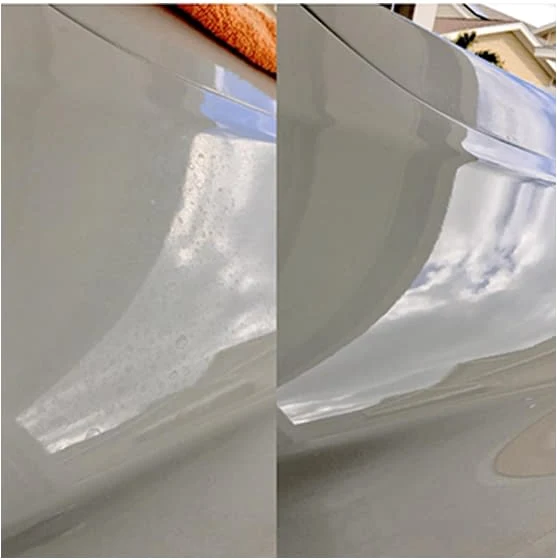
Water spots after washing are usually minerals left when rinse water dries on hot paint or glass. Wash in the shade on cool panels, rinse thoroughly, and dry immediately. A deionized final rinse helps in hard-water areas but is not mandatory. SFX1 adds hydrophobic help afterward. If spots already baked on, remove them before protecting.
The short answer checklist
- Wash in shade on cool panels.
- Control grit with a clean mitt and proper rinse.
- Flood rinse, then dry immediately with clean microfiber or a blower.
- Check mirrors, badges and panel edges for hidden drops.
- Optional: deionized or RO spot-free final rinse if you have it.
- Protect clean exterior surfaces with SFX1.
- Park clear of sprinklers when you can.
- If spots already exist, Dissolve X2 on paint and Spotless X2 on glass, then protect.
Why hard water spots form when you wash
Rinse water carries dissolved minerals. When droplets evaporate, minerals remain as freckles and rings. Hot panels and direct sun shorten the time you have to dry. Hard municipal or well water makes the pattern worse. Hawaii sun is a familiar amplifier, but this guide does not invent a locked municipal hardness number.
Beading from a coating helps water move, yet beads left to dry still leave deposits. Prevention is timing and drying discipline first, chemistry second.
Wash setup: shade, soap and grit control
Park in shade. Feel the paint; if it is hot, cool it with a gentle rinse before soaping. Use a clean mitt and a two-bucket method or an equivalent process that keeps grit out of the wash media. Dirty tools create scratches while you chase spots. Soap choice matters less than keeping abrasive dirt off the clear coat during the wash.
Rinse and dry like spots depend on it
Rinse thoroughly so soap and grit leave the panel. Dry immediately. Clean plush microfiber towels or a suitable blower both work when used carefully. Do not let the car air-dry in sun. Work smaller sections if wind or heat is winning. Flip to a fresh towel face when the current face picks up grit.
Pay attention to mirrors, door handles, emblems and trunk edges where drops hide and later run onto a dry panel. A second walk-around after the first drying pass catches delayed drips.
Deionized or spot-free rinse: useful, not mandatory
A deionized or RO final rinse reduces minerals in the last water on the car. That helps hard-water driveways. It is not a requirement for every wash, and this guide does not claim you must buy a DI system to prevent spots or to make SFX1 work. If you have spot-free rinse gear, use it as the last water, then still watch for drips from trim and mirrors.
Drying aids and sheeting sprays can help some routines. They are optional extras, not a substitute for shade and prompt drying.
Protect with SFX1

SFX1 is protection, not a remover for the rings already present. Apply it after cleaning according to its directions. It works on all exterior surfaces, needs no buffer, lasts up to about 12 months and will not change a matte finish. That upper limit is not a promise that every surface will need no maintenance for a year.
Wash in shade, keep panels cool and dry before droplets bake. Move away from sprinklers when practical, including overnight overspray. Treat fresh deposits early rather than allowing repeated wet-dry cycles to build layers. Protection supports maintenance; it does not make hard water evaporate without leaving minerals.
SFX1 lasts up to about 12 months, needs no buffer, works on all exterior surfaces and will not change matte. Apply on clean paint and glass after washing and drying. It helps maintenance; it does not make the car spot-proof. For more on maintenance and longevity, see the ceramic spray for water spot protection guide.
Parking and sprinklers
Overnight sprinkler overspray recreates wash-day spots without a wash. Move the car when you can. If the lawn arc cannot change, prioritize drying after any wet exposure and keep protection maintained. Related diagnosis when rings will not leave: the sprinkler etched-or-not guide in this batch once live, plus water spots vs etching.
Spots already there


Prevention failed or arrived late. Use Dissolve X2 on paint with about a 30-second dwell without drying; second short pass if needed; stop if the mark remains ingrained. Use Spotless X2 on glass with damp preferred and no dwell. Then protect with SFX1.
Coating compatibility does not mean skin safety. Dissolve X2 contains buffered ammonium bifluoride (ABF). Its SDS uses the signal word “Danger” and states “Causes severe skin burns and eye damage.” Wear protective gloves and eye protection, work with ventilation, and follow the label and Dissolve X2 SDS PDF.
Keep Dissolve X2 off glass and glass mirrors. Plastic mirrors are OK, but verify the material rather than guessing. Test wraps, PPF and finishes without clear coat before proceeding. See the matte-paint, PPF, wrap and ABF safety guide for surface-specific limits.
Deep links: black-car water spots, ceramic-coated car water spots, vinegar or CLR vs glass remover and the cars overview.
A simple driveway routine you can repeat
Set up before the first soap pass: shade, clean mitt, grit control, drying towels staged, and a plan for mirrors and emblems. Rushing the dry is how hard-water freckles appear after a careful wash. If you only have morning sun on the driveway, wash fewer panels at a time so each section is dried before the next is rinsed.
Hard-water households sometimes chase equipment before habits. Towels and timing fix most wash-day spots. Add a spot-free final rinse later if you still see minerals after excellent drying discipline. SFX1 then reduces how quickly new beads bake into visible freckles between washes, without claiming the car is spot-proof.
After rain or a quick splash from a sprinkler, a rapid dry still helps even when you are not doing a full wash. Keep a clean towel in the garage for emergency drip trails on a black hood. Small habits prevent the etched-or-not panic that starts when overnight minerals bake for days.
When prevention fails, remove first and protect second. Linking removal guides from a prevention page keeps the jobs in the right order. Do not coat over freckles and hope hydrophobics hide them.
What to buy
Dissolve X2 is $39.99 and has 850 reviews. Spotless X2 is $39.99 and has 1,240 reviews. Choose the paint remover for painted panels, the glass remover for windows, and SFX1 for protection after removal; SFX1 has 540 reviews.
The Ultimate Bundle includes Dissolve X2, Spotless X2 and SFX1 for $74.99. If only one surface is spotted, there is no need to buy a second remover for that job. Paint plus protection and glass plus protection are useful pairings, but compare the current bundle options on the product pages rather than assuming the same price for every pairing.
Shipping is free on orders over $49.99 and $4.99 under that threshold; expedited shipping is $19.99. Sud Factory ships to all 50 states, DC and military addresses. Read the shipping policy for the current terms. The 30-day money-back guarantee has a return-shipping condition: the customer pays unless the item arrived damaged. See the returns policy before ordering.
Sud Factory was founded in 2019 and is based in Hawaii. The existing site reports 500,000+ bottles shipped; that is a brand-level figure, not a result rate for this specific procedure. The reviews and existing customer photos help show the kinds of surfaces customers have treated, but a photo cannot establish the condition of your own finish.
For a surface-based overview, use the best water spot remover for cars guide. For formula and use differences, see Dissolve X2 vs Chemical Guys and Spotless X2 vs Bio-Clean. These are related comparisons, not a claim that this article ran a head-to-head laboratory test.
FAQ
Why do spots form during or after a wash?
Minerals in rinse water remain when droplets evaporate on paint or glass, especially on hot panels in sun.
How do shade and panel temperature help?
Cool panels in shade give you more time to dry before water bakes. Hot paint shortens that window.
Which drying methods work?
Clean plush microfiber or a suitable blower, used promptly with fresh towel faces. Do not air-dry in sun.
Do I need deionized or RO water?
It helps in hard-water areas but is not mandatory for every driveway wash. This guide does not require a DI system to use SFX1.
What about drying aids?
Optional. They can help some routines but do not replace shade and immediate drying.
What does SFX1 do for prevention?
SFX1 adds hydrophobic help for up to about 12 months, needs no buffer and works on all exterior surfaces. It helps maintenance; it is not spot-proof.
How do parking and sprinklers matter?
Sprinkler overspray recreates mineral rings overnight. Move the car when practical and keep protection maintained.
What if spots already baked on?
Use Dissolve X2 on paint and Spotless X2 on glass with directed methods, then protect with SFX1.
What does it cost?
SFX1, Dissolve X2 and Spotless X2 are each $39.99. The Ultimate Bundle is $74.99. Shipping is free over $49.99, with a 30-day money-back guarantee subject to the returns policy.
Is SFX1 enough by itself after a careless sun dry?
No. Fix drying habits first. SFX1 supports maintenance on a clean car; it does not erase the need to dry rinse water.